Exhibitions and collections
We believe in the power of culture to help us understand our times and make us better, both individually and collectively. That is why we run an exhibition program dedicated to the plastic arts and photography, featuring exhibitions that span the beginnings of modern art to to the mid-20th century, and from the origins of photography to contemporary creation. Developed in collaboration with national and international institutions, these exhibitions are presented in our galleries in Madrid and Barcelona, as well as in museums around the world.
This commitment is complemented by the Fundación Mapfre Collections, comprising nearly 2,200 paintings, drawings, prints, and photographs. We preserve and share this artistic heritage to make culture accessible to as many people as possible.
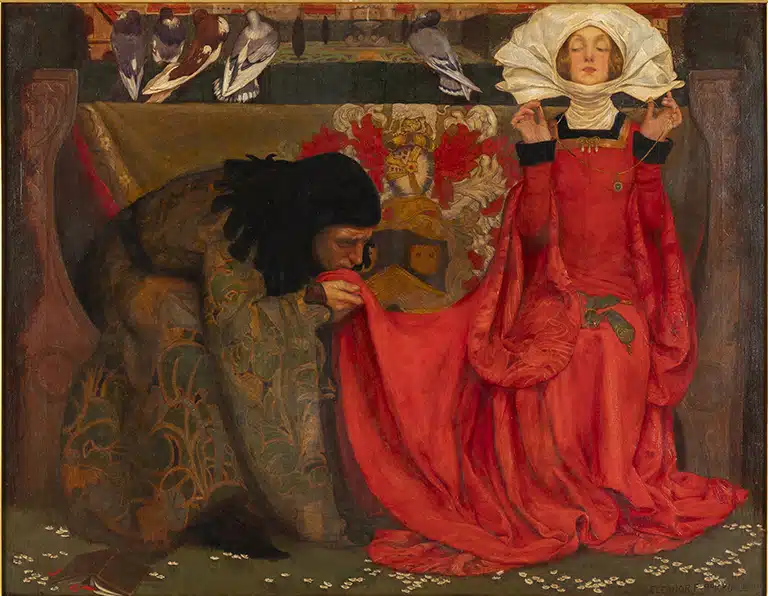
Eleanor Fortescue-Brickdale
The pale complexion of true love, 1899
© Musée d’Orsay, dist. RMN-Grand Palais / Sophie Crépy
SEP.24.2026 – JAN.10.2027, MAD
Women Artists
Pathways through Pre-Raphaelitism (1850-1914)
Women Artists: Pathways through Pre-Raphaelitism (1850-1914) revisits this movement, which emerged in Great Britain in 1848 as an opposition to official academic art and remained influential until the early years of the twentieth century. The exhibition presents a broad anthology of the various ways in which women artists engaged with this new style.
To this end, it explores how women artists in Victorian society approached and adapted the potential of Pre-Raphaelitism despite the disadvantaged position imposed upon them by the social norms of the time. It also examines the different factors that shaped their connection to the movement, including their relationships with certain male artists, their enthusiasm for John Ruskin—one of Pre-Raphaelitism’s most prominent advocates—and their own independent judgment and artistic tastes, among other influences.
This diversity of paths leading to the new style also gave rise to a wide range of artistic works: oil paintings, watercolours, drawings and prints, photographs, textiles, embroidery, enamels, and stained glass. Featured artists include Elizabeth Siddal, Julia Margaret Cameron, Evelyn De Morgan, May Morris, and Eleanor Fortescue-Brickdale, among many others represented in the exhibition.
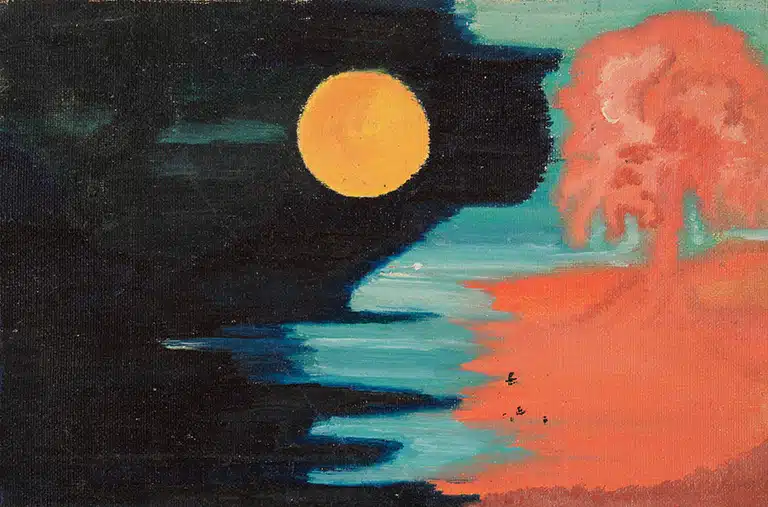
Else Blankenhorn
Untitled [Nocturnal Riverside Landscape], 1908–1919
© Prinzhorn Collection, Heidelberg University Hospital
SEP.24.2026 – JAN.10.2027, MAD
The other face of the avant-garde
The other face of the avant-garde explores the relationship between avant-garde art and works created by psychiatric patients, considered here as a threshold that avant-garde artists looked toward in their renewal of modern art.
The exhibition takes as its starting point the book Expressions of Madness (1922) by the German psychiatrist and art historian Hans Prinzhorn (1886–1933), based on his study of a collection of works by patients with mental illness that he assembled at the Heidelberg hospital. This publication gave visibility and artistic dignity to these patients’ creations and challenged traditional boundaries of art. The exhibition also examines the cultural and artistic context in which the book was conceived, as well as its subsequent influence on various avant-garde movements and its decisive role in the emergence of Art Brut.
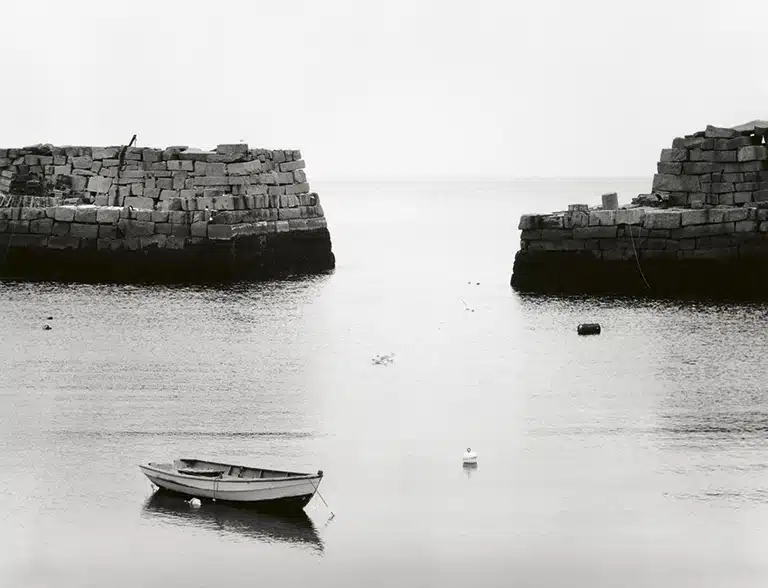
Minor White
Cape Ann, Massachusetts, from Sequence 1968, December 24, 1966
The Minor White Archive, Princeton University Art Museum, the legacy of Minor White
© Trustees of Princeton University. Photo: Allen Chen
SEP.24.2026 – JAN.10.2027, MAD
Minor White
A figure of enormous influence in 20th-century American photography, Minor White (Minneapolis, 1908–Boston, 1976) developed his concept of photography across virtually every area of the medium, from creative practice and teaching to editorial and museum work. Founder and editor of the magazine Aperture and a professor at some of the most important educational institutions in the American scene, Minor White used these platforms to convey and share his ideas and to pursue his goal of presenting the photographic image as a space for self-knowledge and spiritual transformation. Organized on the occasion of the fiftieth anniversary of his death, this exhibition —the first major retrospective of his work in Europe— offers a comprehensive overview of his oeuvre, featuring his most representative themes (nature photography, portraiture, and street photography), with special attention to his work with sequences.
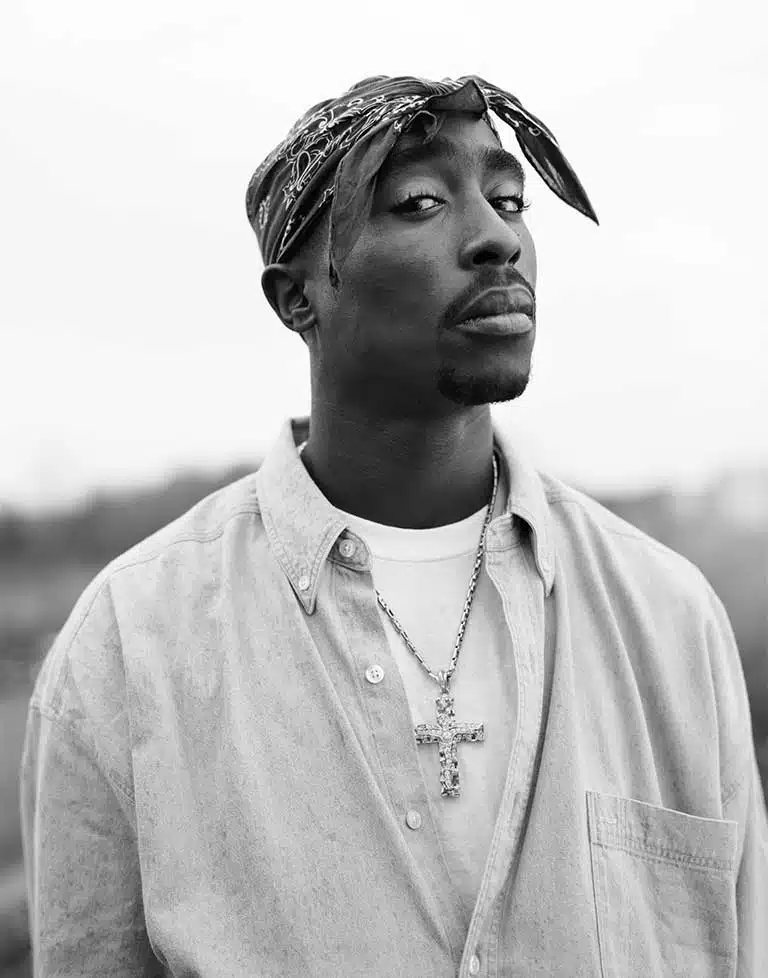
Dana Lixenberg
Tupac Shakur, 1993
Courtesy of the artist and Grimm Amsterdam, London, New York
© Dana Lixenberg
OCT.01.2026 – JAN.17.2027, BCN
Dana Lixenberg
American Images
Fundación Mapfre presents American Images, the first major retrospective dedicated to Dana Lixenberg (Amsterdam, 1964). With more than three decades of work behind her, the exhibition brings together some of her most important series created in the United States: from the iconic Imperial Court, which began after the 1992 Los Angeles riots, to the portraits taken in Jeffersonville (Indiana) and Shishmaref (Alaska)—portraits and projects that offer a penetrating and nuanced view of American society.
Through an approach based on observation, closeness, and the time he shared with his subjects, Lixenberg creates a visual narrative that transcends differences in status to focus on the uniqueness and dignity of everyone. His photography thus becomes a reflection on identity, representation, and the human experience.
Luca Gaetano Pira
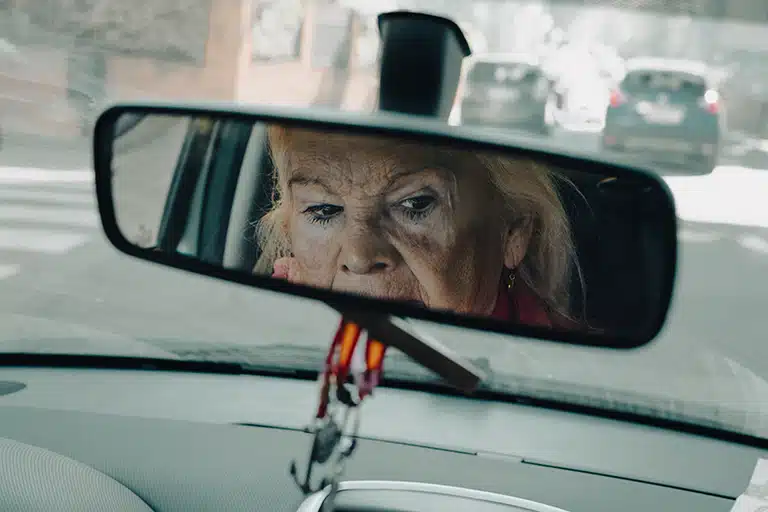
S/t, proyecto Cárcel, Tacones y Libertad, 2025
© Luca Gaetano Pira
OCT.01.2026 – JAN.17.2027, BCN
KBr Flama’26
KBr Fundación Mapfre presents the sixth edition of its annual exhibition featuring the new generations of photographers who are launching their careers after completing their studies at Barcelona’s leading photography schools: Elisava—Barcelona School of Design and Engineering, Serra i Abella School of Art and Design, Idep Barcelona, and IEFC. This edition gathers the works of Sara Bravo (Girona, 1999), Elena Bulet i Llopis (Barcelona, 1997), Luca Gaetano Pira (Modena, 1987), and Meghan Mathews (Winston-Salem, Tennessee, 1995), selected by a jury composed of Roser Cambray, Carles Guerra, and Cristina de Middel.
Driven by a shared motivation (drawing on personal experience to explore reflections of universal significance), the selected projects address issues such as the influence of family heritage on relationships and the shaping of memory, the documentary visibility of gender-related causes, and the ways in which the past persists, transforms, or fades away around us.
You may also like

We take our exhibitions and collections to museums and cultural institutions around the world to bring art and culture to new audiences.

A journey through the exhibitions that have defined our commitment to art and photography since 1989.