Travelling exhibitions
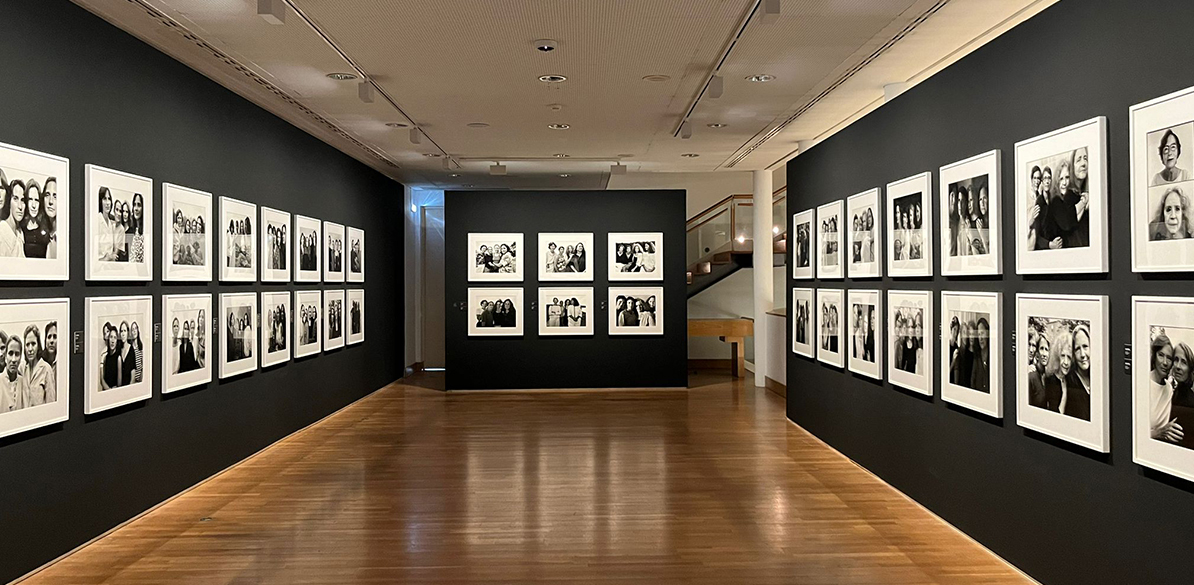
Our exhibition rooms in Madrid and Barcelona are not the only places you can enjoy our photography, drawing, painting and sculpture exhibitions. Once they have been presented in Spain, our idea is that they should be shared far and wide. We want to reach the rest of the world!
Thus the retrospective on Walker Evans headed to Sao Paulo, Stephen Shore to Berlin, Vanessa Winship to Las Palmas de Gran Canaria, the selection of drawings in our collection Hand with Pencil to El Salvador and From Divisionism to Futurism to the Museum of Modern and Contemporary Art of Trento e Rovereto, in Italy.
Part of our program travels to museums and cultural institutions in Europe, North America and Latin America. We want to take art to every corner of the globe. And we hope it reaches you too.
87 exhibitions
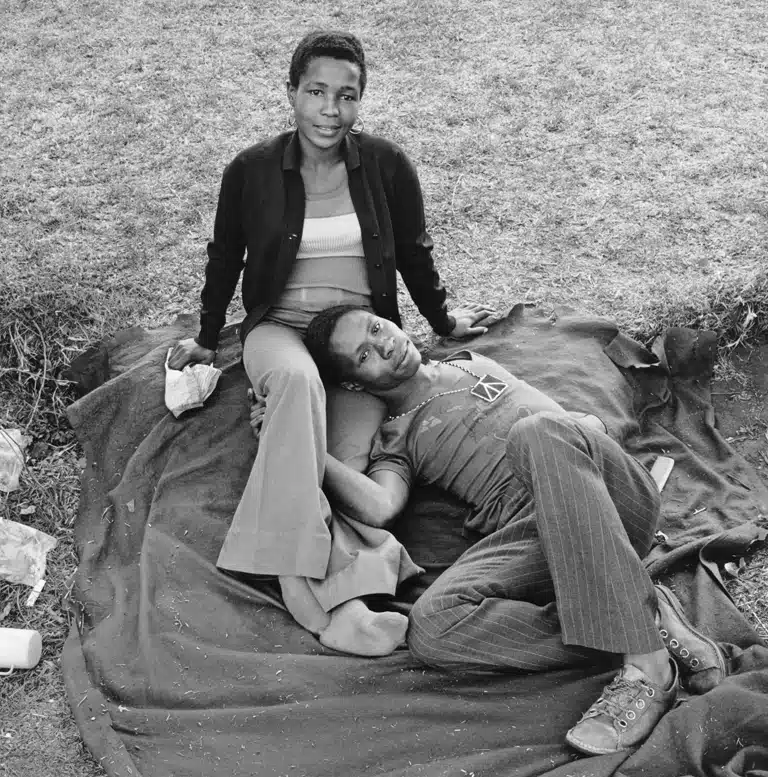
David Goldblatt
Lulu Gebashe and Solomon Mlutshana, who both worked in a record shop in the city, Mofolo Park, 1972
© The David Goldblatt Legacy Trust
David Goldblatt. No ulterior motive
– 22
Yale University Art Gallery (New Haven, CT, USA)
Apparent calm. Privilege. Apartheid.
The prestigious South African photographer David Goldblatt (Randfontein, 1930 – Johannesburg, 2018) dedicated his life to documenting his country and its people. Known for his subtle portraits of life under apartheid, his work, which covers a wide range of subjects, is today indispensable for understanding what is undoubtedly one of the most painful processes and difficult periods in contemporary history.
The keys to the exhibition revolve around three themes: the representation of everyday life, “the quiet and the ordinary where nothing ‘happened’”, so that the viewer could draw their own conclusions; the greater freedom to document life in South Africa in the most honest and direct way possible on account of being white; and the need to document apartheid.
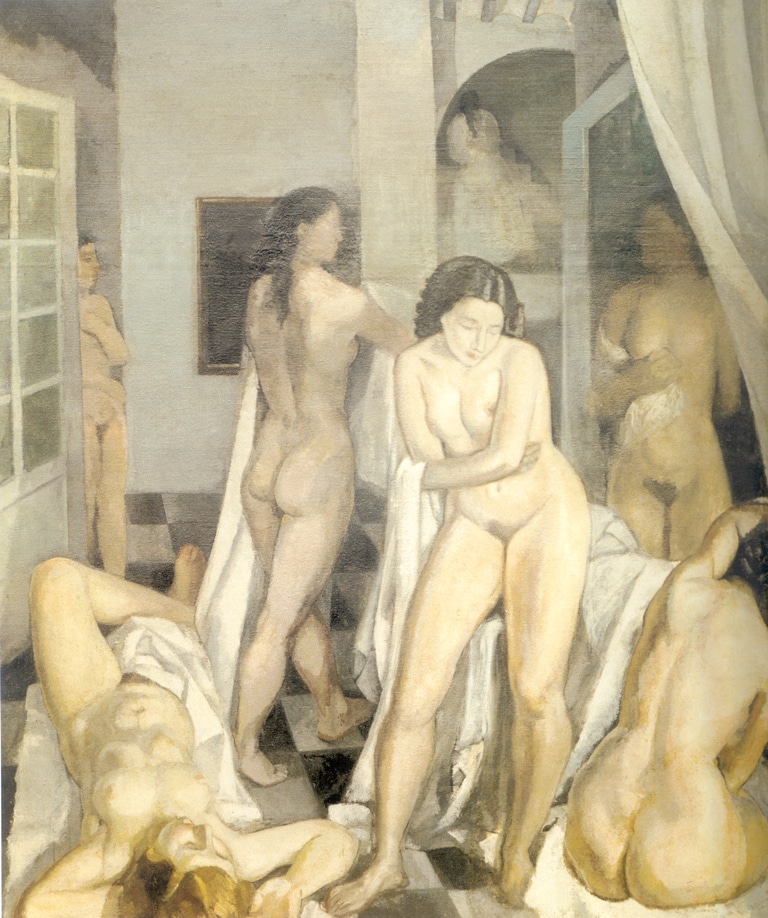
Daniel Vázquez Díaz
Las bañistas / Desnudos en la piscina, Oil on canvas, ca. 1930
Fundación MAPFRE Collections
© Daniel Vázquez Díaz. VEGAP, Madrid, 2022
Daniel Vázquez Díaz and the new art. Fundación MAPFRE Collections
– 15
Museo de Bellas Artes de Castellón (Castellón)
Tradition. Vanguardism. Tempered cubism.
Daniel Vázquez Díaz (Aldea de Ríotinto (now Nerva), Huelva, 1882 – Madrid, 1969) attended classes at the Ateneo de Sevilla. After spending some time in Madrid in 1906, he moved to Paris, where he lived for around twelve years. In the French capital he socialized with the Spanish artists who had settled there: Ignacio Zuloaga, Joaquim Sunyer, Hernén Anglada Camarasa, Juan de Echevarría, Pablo Picasso and Juan Gris, among others. In France he produced Spanish-inspired paintings in the fashionable style of the day, as well as portraits in the tradition of the Spanish Golden Age. Meanwhile, he learned about the new avant-garde trends that he would begin to develop after returning to Spain in 1918.
Upon settling in Madrid for good, Vázquez Díaz’s work was embraced by critics and the intellectuals around him as part of the new art, which in this case was referred to as tempered cubism.
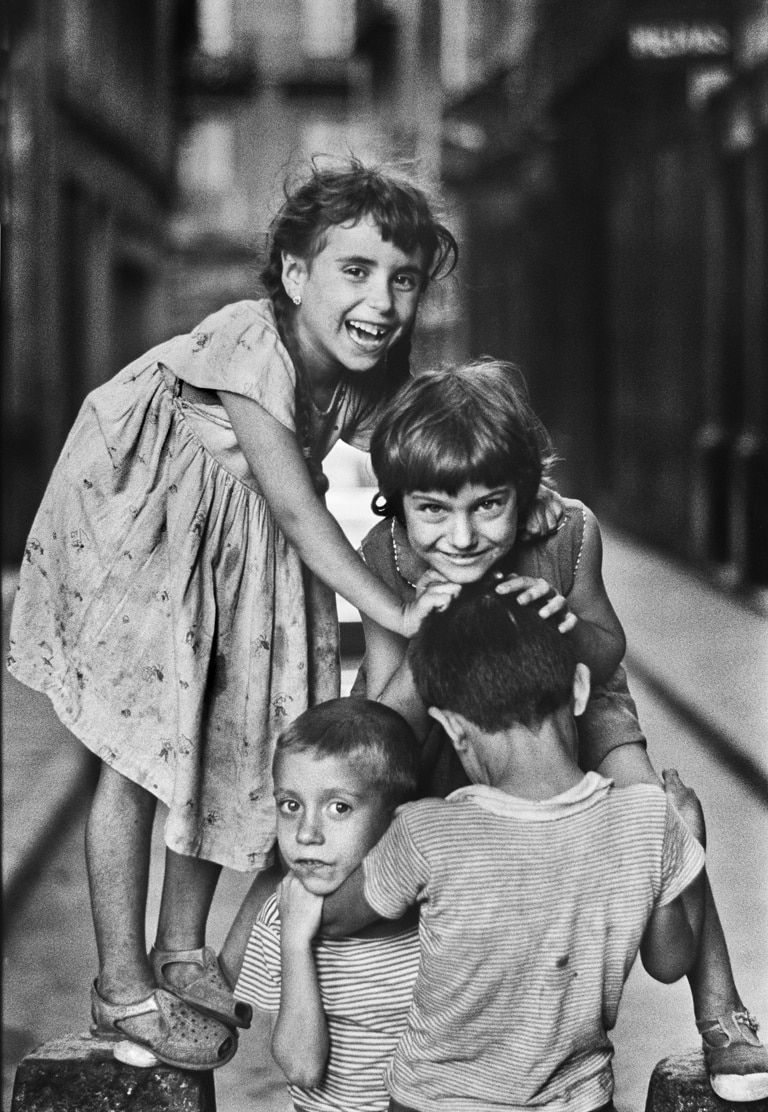
Christer Strömholm
Barrio Chino, Barcelona, 1959
© Christer Strömholm Estate
Christer Strömholm
– 20
Challenge. Infancy. Self-portrait.
Fundación MAPFRE presents a retrospective exhibition on the work of Swedish photographer Christer Strömholm (Stockholm, 1918-2002), one of the most iconic figures in post-war European photography, who received his greatest recognition somewhat late in life, when he was awarded the Hasselblad Prize in 1997.
The photographer’s intuitive work expresses a unique world of images into which he pours all his senses and experience and with which he challenges all kinds of prejudices and stereotypes. Strömholm finds valuable meanings in the humblest of objects, to which he gives significance.
In 1958, Strömholm bought a dilapidated house in a remote village in the French region of Provence, where he began to collect all kinds of broken, discarded objects, which for him represented mementos of his own life and childhood. Strömholm always identified with children; as he himself pointed out, his images are self-portraits, representations of himself at different ages.
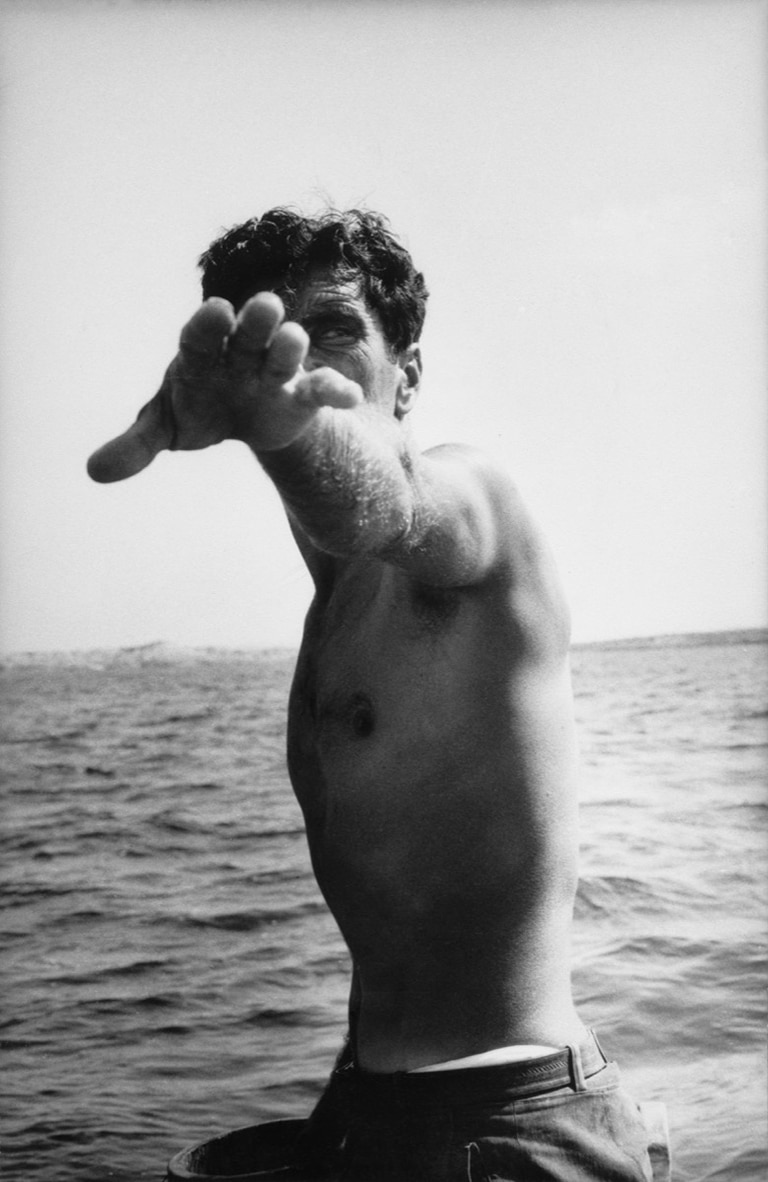
Louis Stettner
Tony, “Pepe y Tony, Pescadores españoles” (Pepe and Tony, Spanish fishermen), Ibiza, Spain, 1956
Fundación MAPFRE Collections
© Louis Stettner Estate, 2024
Louis Stettner
– 02
Centro Andaluz de la Fotografía (Almeria)
Social commitment. Poetry. Belief in the human being.
Louis Stettner (New York, 1922-Paris, 2016) was trained at the Photo League school in New York. In Paris he met Brassaï, who became his mentor. His experience as a photographer during the Second World War profoundly conditioned his understanding of life. This is reflected in his work, which is based on a firm belief in the human being.
Stettner’s work encompasses a multitude of subjects, from almost empty urban environments to bustling scenes of the New York subway, the routines of workers and laborers, and the mountainous landscapes of the French Alpilles massif in his later years.
Louis Stettner’s work was not given the recognition it deserved at the time. This exhibition aims to mitigate this lack of recognition and make the general public aware of the artist. It also celebrates the work of a creator whose photography captured the poetry of everyday life.
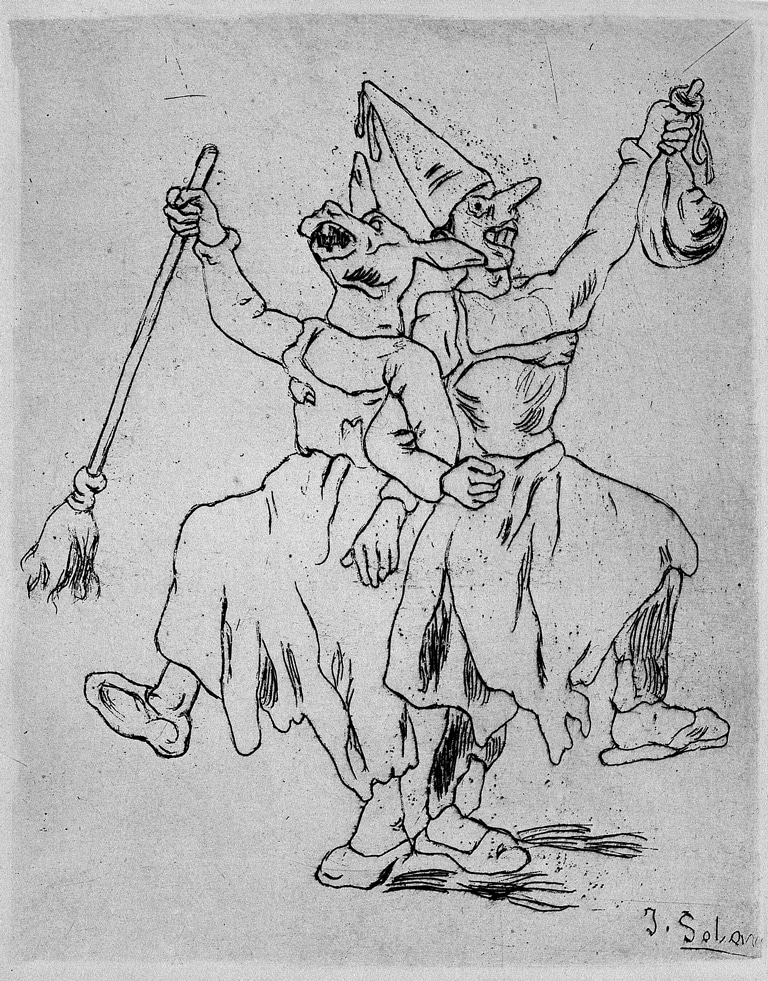
José Gutiérrez Solana
Máscaras bailando cogidas del brazo (Masks dancing arm in arm), ca. 1933 – 1934
Fundación MAPFRE Collections
© José Gutiérrez Solana, VEGAP, 2023
Solana the engraver. Fundación MAPFRE Collections
– 02
Museo Gustavo de Maeztu (Estella, Navarra)
Singularity. Eccentricity. Darkness.
Fundación MAPFRE has an important collection of José Gutiérrez Solana’s engravings, including twenty-six of the twenty-eight etchings catalogued by Rafael Díaz-Casariego and four of the seven surviving lithographs. These offer a representative view of the artist’s body of work, undoubtedly one of the most singular figures of 20th century ¬Spanish art.
Both his life and his work reveal an eccentric personality, impossible to pigeonhole within the framework of the conventional artistic scene.¬ Creating a deeply personal vision, in his paintings, etchings and lithographs, as well as in his texts, Solana seems to approach the Spanish literature of his time, although he remains oblivious to any sense of criticism or regenerationism. On the contrary, he shows us a dark reality within which he seems to move with absolute ease.
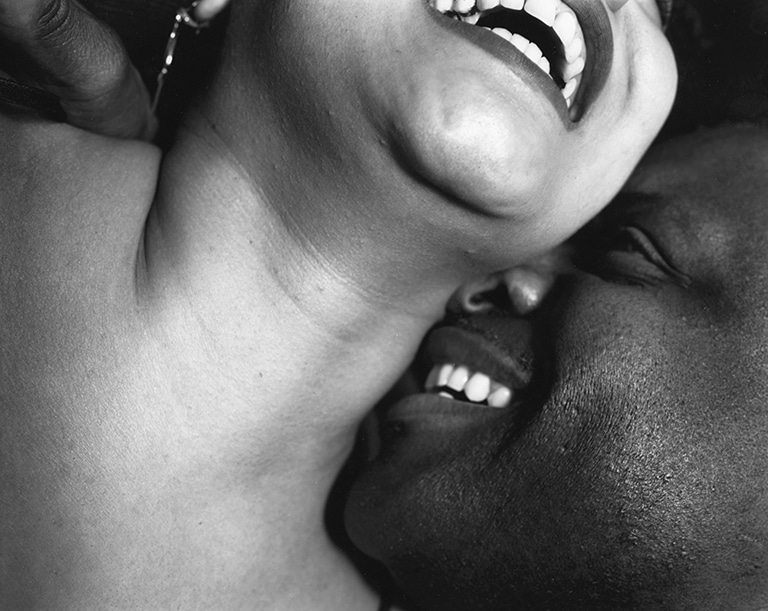
Nicholas Nixon
J.A., E.A., Dorchester, Massachusetts, 2001
Fundación MAPFRE Collections
© Nicholas Nixon
Nicholas Nixon
–
Cascais Cultural Centre (Cascais, Portugal)
Social concern. Simplicity. Intimacy.
Nicholas Nixon (Detroit, Michigan, 1947) explores singular worlds with notable social concern, revealing unnoticed aspects of reality pertaining to the artist’s private experiences. However, given their everyday nature, we can identify with them and they easily evoke in us the echo of memories and emotions. Nixon employs a simple, almost obsolete, but flawless technique; the use of large-format cameras imposes a closeness and the cooperation of the subjects to reveal nearby worlds which grab his attention: the elderly, the sick, the intimacy between couples and the family.
This retrospective on his work (1974-2024) features more than 200 photographs. In it we find a clear guiding thread, a world of its own that has no limits and an extraordinary capacity for reinvention.
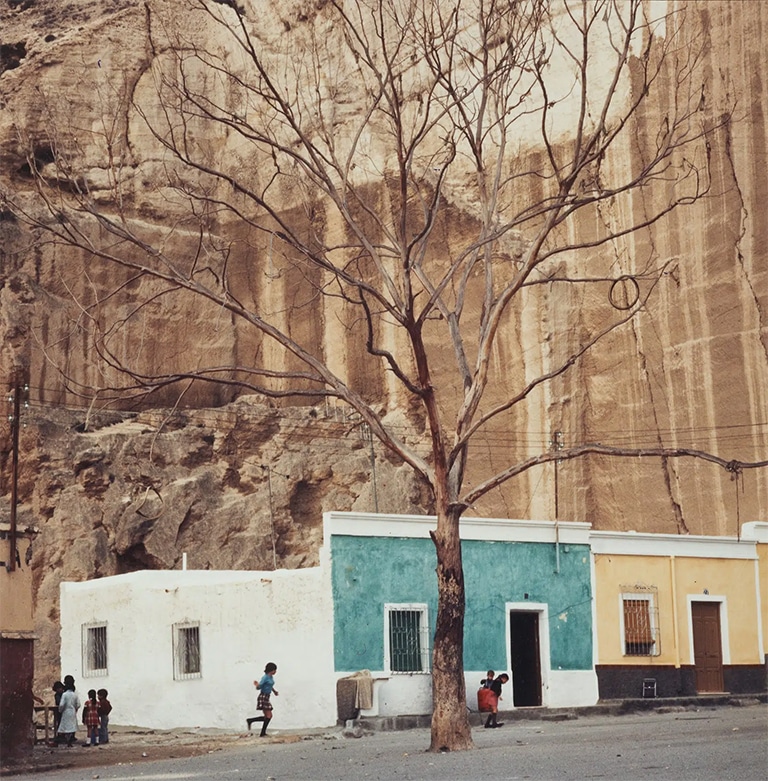
Carlos Pérez Siquier
La Chanca, 1963
Fundación MAPFRE Collections
© Carlos Pérez Siquier, VEGAP, 2024
Carlos Pérez Siquier. Fundación MAPFRE Collections
–
Fundación MAPFRE Canarias (Las Palmas de Gran Canaria)
Identity. Spontaneity. Modernity.
The work of Carlos Pérez Siquier (Almeria, 1930-2021), who was awarded the National Photography Prize in 2003, emerges from a fertile space somewhere between spontaneity and an interest in the human condition, as well as the photographer’s own measured character. His images reveal the transformations of an entire country (and perhaps an entire world) from the peripheral surroundings of Almeria, where he lived throughout his life. Pérez Siquier was a key artist in the development of Spanish photographic modernity.
With this consideration in mind, in 2022, Fundación MAPFRE acquired an important sample of his legacy, which now forms part of the institution’s photography collections.
The exhibition Carlos Pérez Siquier. Fundación MAPFRE Collections comprises a careful selection of that archive and includes images from some of his most emblematic series, such as La Playa (The Beach), Encuentros (Encounters) and Trampas para incautos (Traps for the Unwary).
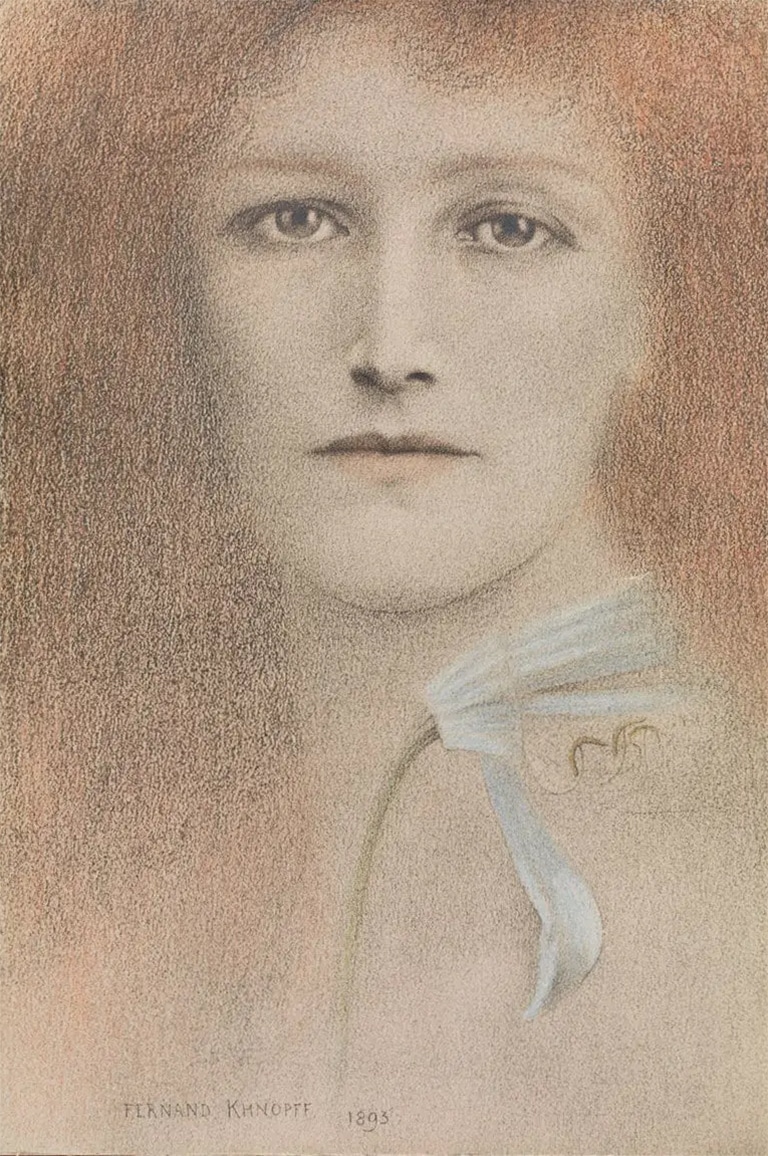
Fernand Khnopff
Diffidende (Mistrust), 1893
Fundación MAPFRE Collections
© Fernand Khnopff
Drawing modernity. From Fortuny to Tapies. Fundación MAPFRE Collections
–
“Mirador del Carmen” Cultural Centre. Estepona Town Hall (Estepona, Malaga)
Modernity. Collecting. Drawing.
Since its inception in 1997, the Fundación MAPFRE drawing collections have been marked by a keen interest in unraveling the birth of modernity. An effort has been made to recover the works on paper of those artists and movements that are significant when it comes to appreciating the evolution of the uses of drawing and painting over the last century.
The selection of more than one hundred drawings presented in the exhibition “Drawing Modernity. From Fortuny to Tapies, Fundación MAPFRE Collections”, covers a period of time that runs from the mid-nineteenth century to the mid-twentieth century, precisely the period in which drawing was still experiencing a duality. On the one hand as a means of preparing the final version of another work, while at the same time demonstrating its independence as a form of art that stands on its own merits.
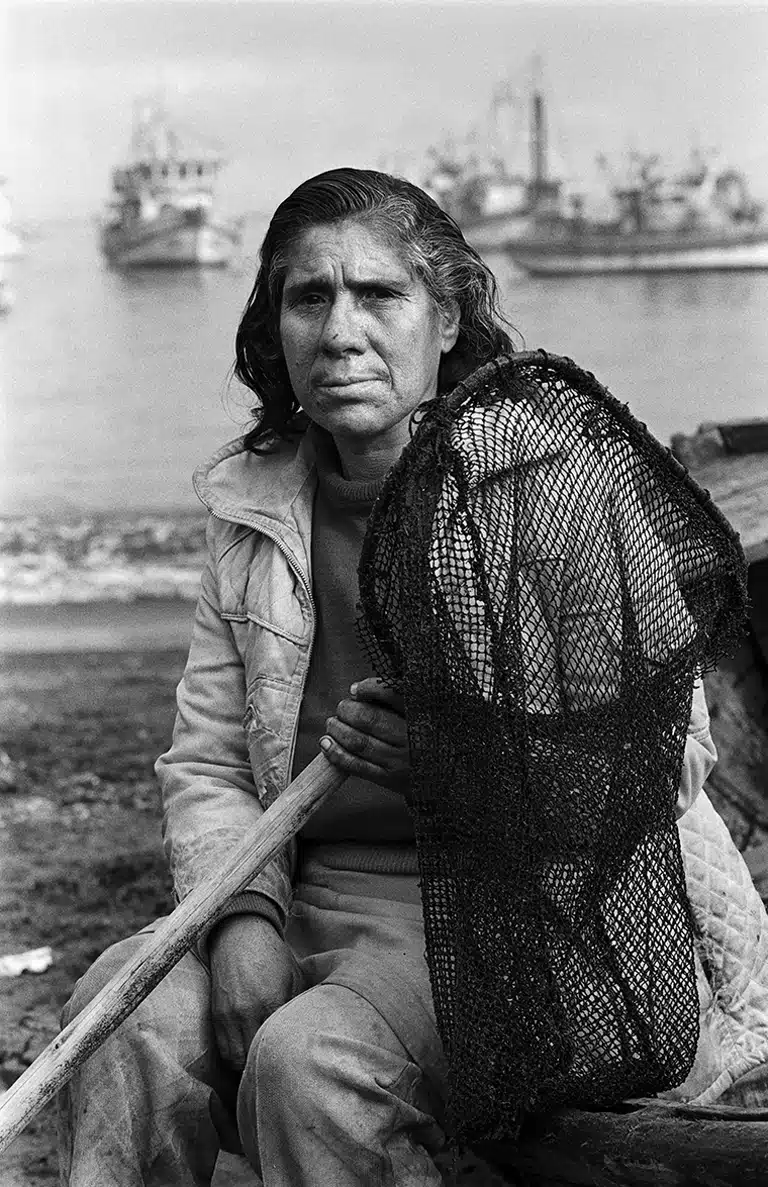
Paz Errázuriz
Mujer chinchorrera‑recolectora de carbón, Lota (Carbon collector, Lota), from the series Mujeres de Chile (Chilean women), 1992
Fundación MAPFRE Collections
© Paz Errázuriz
Paz Errázuriz
–
Musée des Beaux – Arts Le Locle – MBAL (Le Locle, Switzerland)
Commitment. Respect. Resistance.
The work of Paz Errázuriz (Santiago de Chile, 1944) constantly refers to the political and sociological context of Chile, marked for a long period by the Pinochet dictatorship (1973-1990). Moved by her interest in exploring the reality of individuals on the fringes of society, the artist began to photograph children, the elderly, men and women in psychiatric institutions, transsexuals, prostitutes, people sleeping unprotected in the street and, more recently, Native Americans. With the passage of time, this interest was transformed into coexistence, trust and respect for her portraits, as evidenced by the extensive body of work the artist has developed throughout her career.
Errázuriz delves into the most uncomfortable nooks and crannies of everyday life in Chile, presenting figures who, from the periphery, reveal, even without an explicit desire to criticize, different forms of resistance to the imposed norms.