
Travelling exhibitions
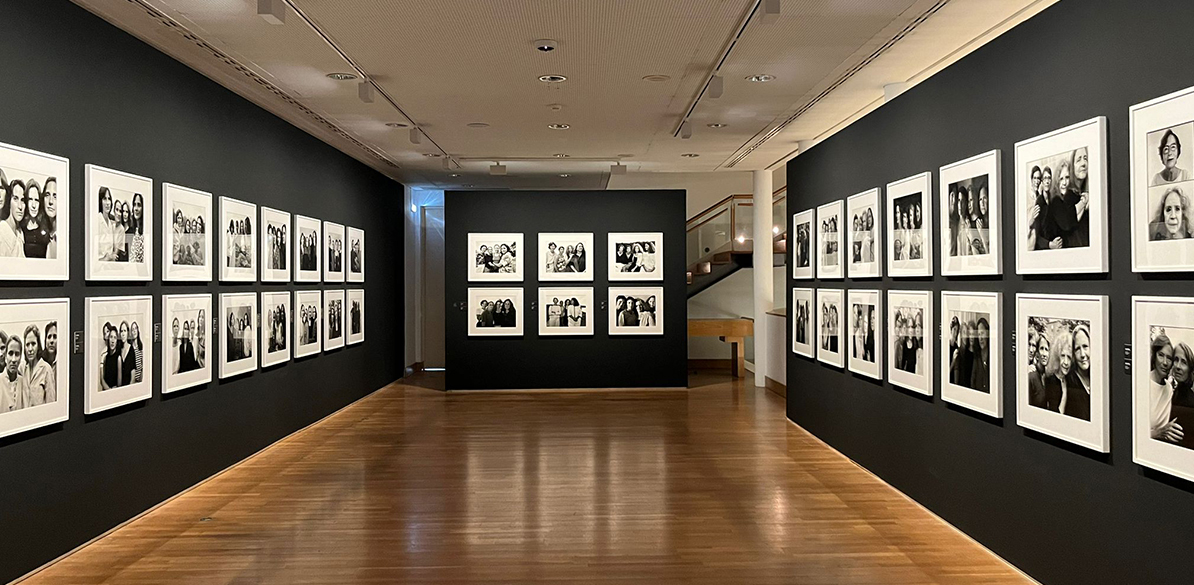
Our exhibition rooms in Madrid and Barcelona are not the only places you can enjoy our photography, drawing, painting and sculpture exhibitions. Once they have been presented in Spain, our idea is that they should be shared far and wide. We want to reach the rest of the world!
Thus the retrospective on Walker Evans headed to Sao Paulo, Stephen Shore to Berlin, Vanessa Winship to Las Palmas de Gran Canaria, the selection of drawings in our collection Hand with Pencil to El Salvador and From Divisionism to Futurism to the Museum of Modern and Contemporary Art of Trento e Rovereto, in Italy.
Part of our program travels to museums and cultural institutions in Europe, North America and Latin America. We want to take art to every corner of the globe. And we hope it reaches you too.
87 exhibitions
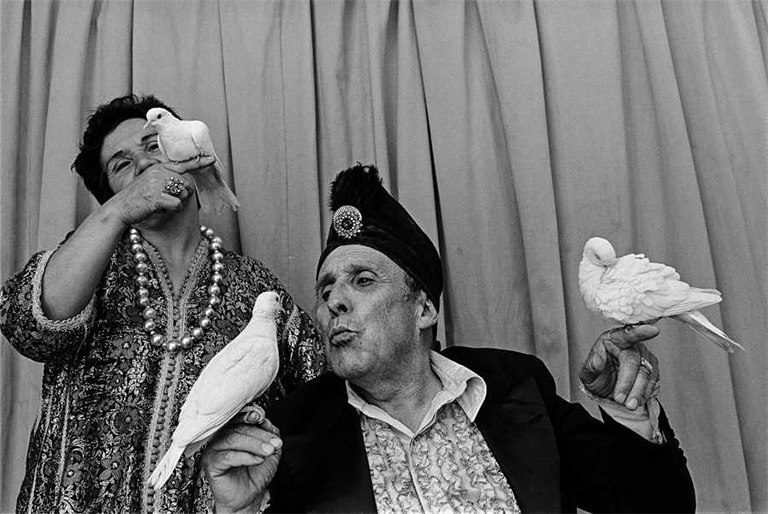
Paz Errázuriz
Mago Karman, Santiago, from the series The Circus, 1988
Fundación MAPFRE Collections
© Paz Errázuriz, courtesy of the artist
PAZ ERRÁZURIZ. FUNDACIÓN MAPFRE COLLECTIONS
–
Moreira Salles Institute, São Paulo, Brazil
Daring, committed and a defender of human rights..
The work of Paz Errázuriz (Santiago de Chile, 1944) is very unconventional; her way of exploring reality confronts us with difficult, uncomfortable images that make no concessions to the viewer.
The nonconformist view of this Chilean photographer turns her photographs into a tool for the defense of human rights, those excluded by the Chilean regime and by society. Her work features the mentally ill, the homeless, circus performers, transsexuals, prostitutes and indigenous people.
This exhibition, composed mainly of works from Fundación MAPFRE’s collections, aims to show the key series that make up the artist’s work, in which portraits become the best tool to showcase the most decadent and marginal face of Chilean society and the use of black and white intensifies the message of complaint.
In this video of Maria Clara Villas you will be able to see the whole assembly process of the exhibition.
Eamonn Doyle
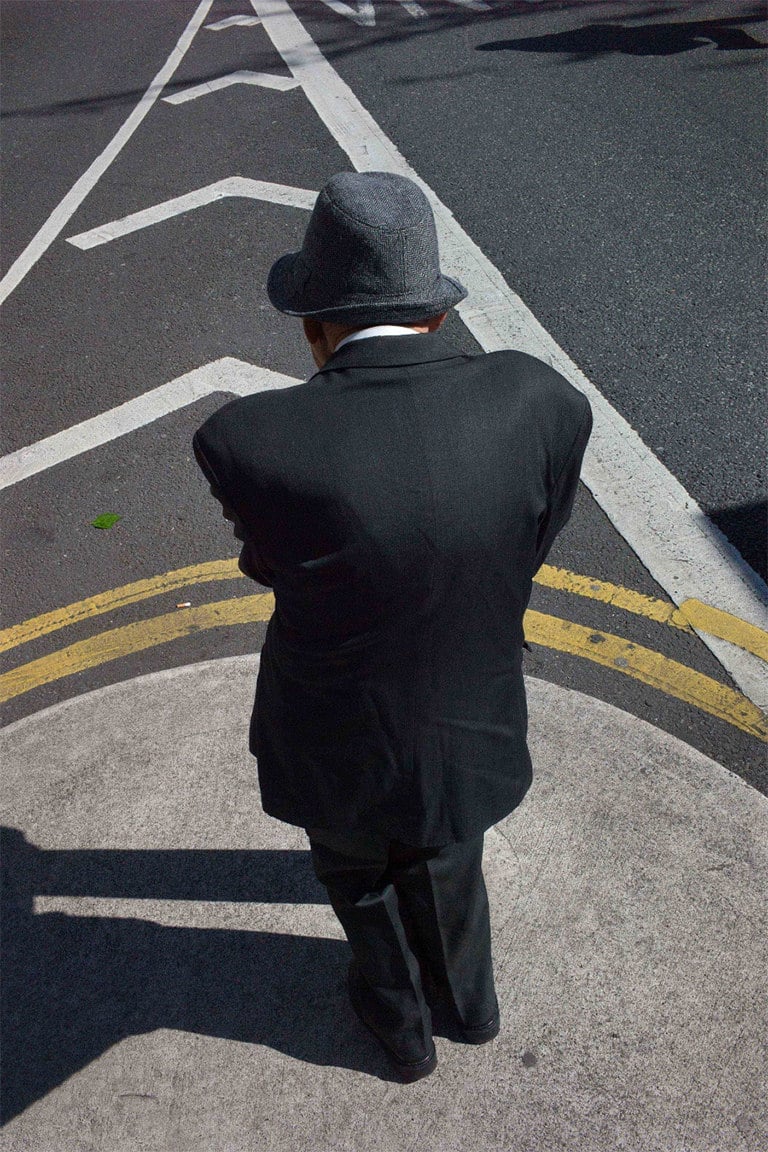
i (series), no. 36, 2013
© Eamonn Doyle, courtesy Michael Hoppen Gallery
EAMONN DOYLE
–
Centro de Cultura Antiguo Instituto de Gijón (Asturias)
Dublin. Music. Urban culture.
After its passage through Madrid, this exhibition arrives in Gijón with its impressive large-format black-and-white and color images. The streets of his neighborhood in Dublin, his permanent passion for music, his interest in cultural movements and changes in social policies; the whole universe of Eamonn Doyle converges in his photographs. His work conveys moments of stillness and frenetic energy, of solitude and community.
This exhibition contains a selection of each of Doyle’s photographic series which, when viewed as a whole, reveal their interconnected dynamics and concerns, from the floating world of Dublin to the spectral world of K.
In this video of Eamonn Doyle and Niall Sweeney you will be able to see the whole assembly process of the exhibition.
Berenice Abbott
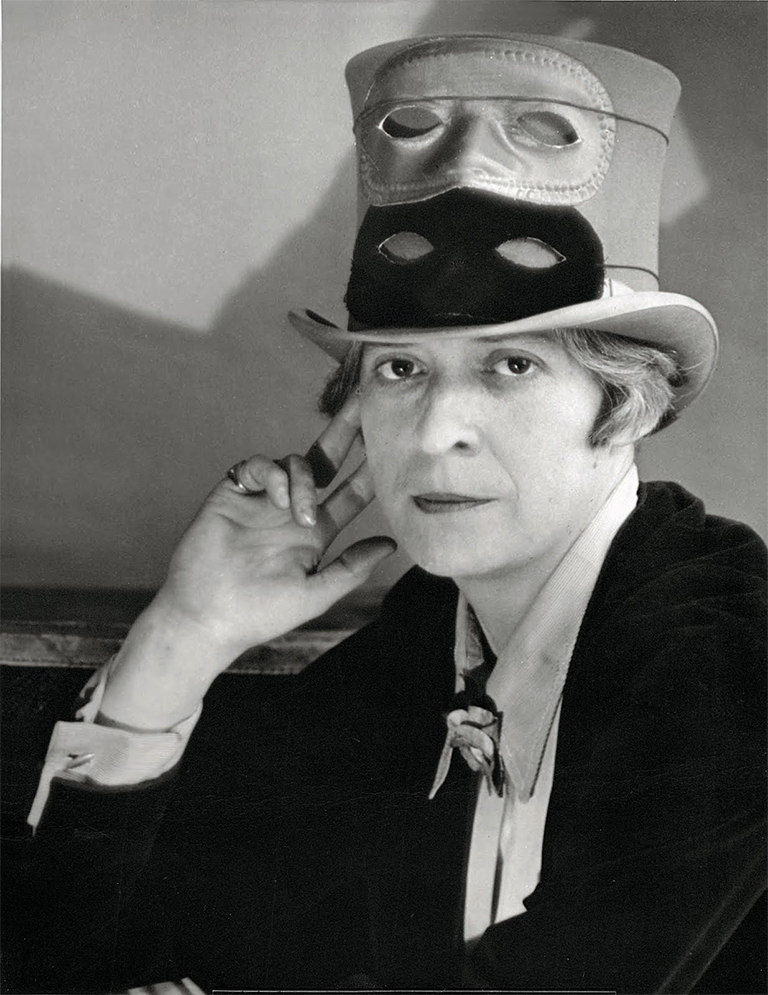
Janet Flanner in Paris, 1927
© Getty Images / Berenice Abbott
BERENICE ABBOTT
–
SK Stiftung Kultur, Cologne (Germany)
Modernity. Documentary photography. Experimentation.
In every facet of her work, as a portraitist, documentary filmmaker and pioneer of scientific photography, Berenice Abbott broke the mold. And that includes her personal life, too. With her camera in hand she lived for photography, her great passion, transcending the limitations of being a woman at that time.
Her photographs are a reflection of her deep technical intelligence. And modernity, inherent in her personality, is present in her unusual and daring images.
After a period of time at the Huis Marseille in Amsterdam, the exhibition Berenice Abbott: Portrait of Modernity arrives in Cologne to offer the photographer’s particular vision of the city of Paris and the transformation of New York in the central years of the 20th century.
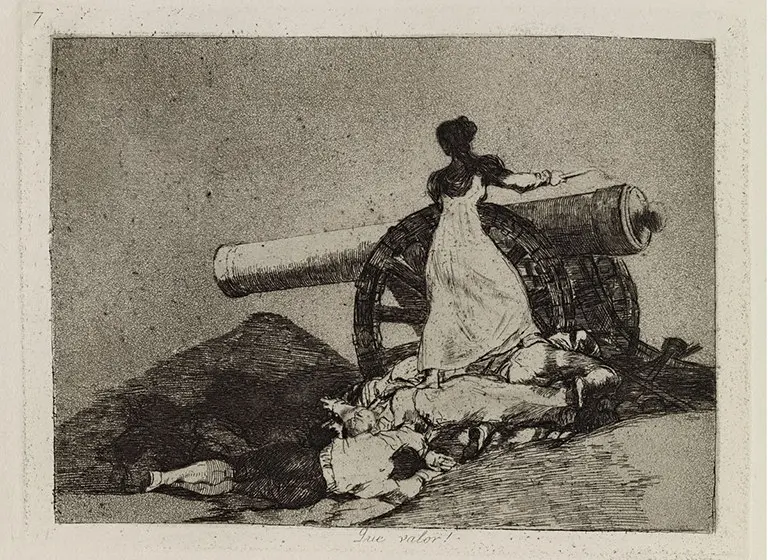
Francisco de Goya y Lucientes
What courage!
Etchings, aquatint, drypoint, burin and burnisher, 158 x 209 mm
Fundación MAPFRE collections
FRANCISCO DE GOYA Y LUCIENTES. THE DISASTERS OF WAR
–
Centre Cultural Terrassa, Barcelona
The Disasters of War. Prints. The Peninsular War.
The violence witnessed by Francisco de Goya during The Peninsular War (1808-1814) led the artist to take up drawing, sketching and prints once again. This type of work, of a private nature, is an effective way for him to express the pain and anguish he feels in the face of the events of war and their effect on the civilian population. Although he never published them during his lifetime, we have access to a complete bound edition which he gave to his friend Ceán Bermúdez before he left for Bordeaux in 1824. The handwritten title of this album reads as follows: “Fatal consequences of Spain’s bloody war with Bonaparte, and other emphatic caprices, in 85 prints. Invented, drawn and printed by the original painter Francisco de Goya y Lucientes. In Madrid”. The exact chronological timeline of the execution of the series is unknown, but it is usually dated from between 1810, the date which appears on three of the prints and 1815.
The Disasters of War are comprised of 80 titled plates and several etchings with some in drypoint and gouache, printed in black ink. The set of prints are divided into three groups: the first two groups contain the “disasters of war” themselves, while the third, the “emphatic caprices”, of a more allegorical nature, are understood to be a political reflection on the absolutist government of Ferdinand VII following the end of the war and the withdrawal of the French troops.
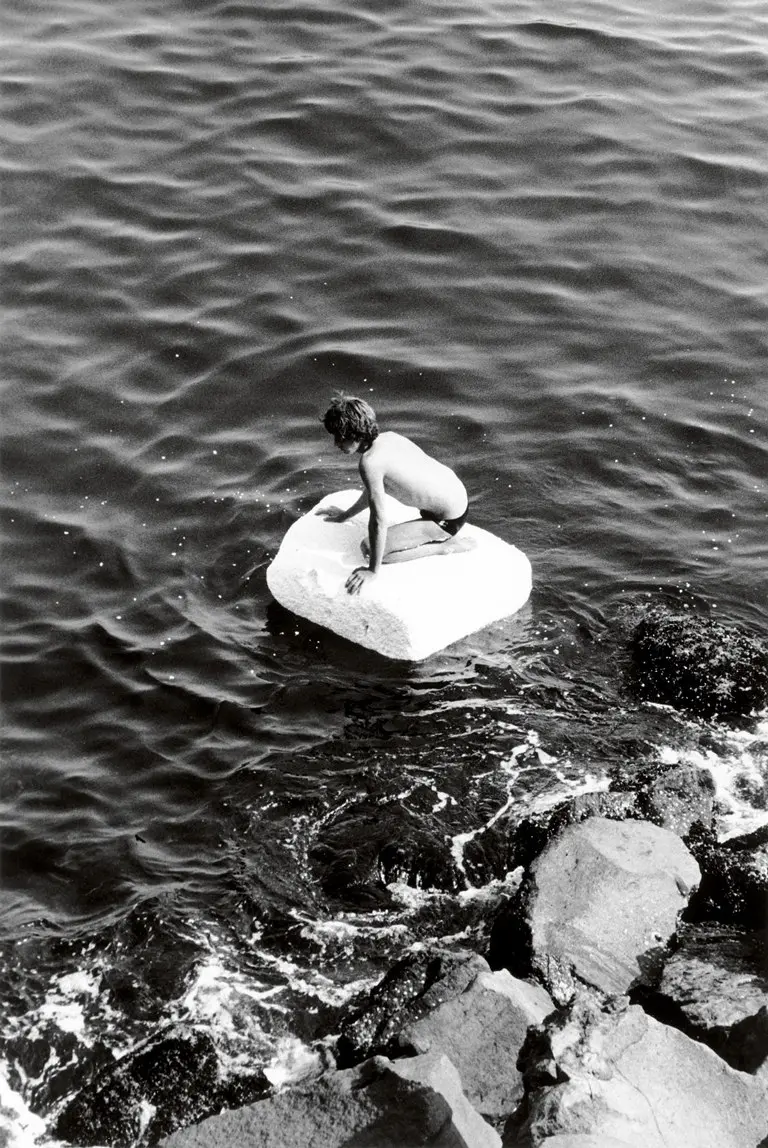
Peter Hujar. Boy on Raft, 1978
The Morgan Library & Museum, The Peter Hujar Collection.
Acquired thanks to The Charina Endowment Fund, 2013. 108:1.97.
© The Peter Hujar Archive, LLC. Courtesy of Pace/MacGill Gallery, Nueva York, y Fraenkel Gallery, San Francisco.
PETER HUJAR. SPEED OF LIFE
– JAN
Closeness. Connection. Exchange.
Hujar was a portrait photographer. This photographer sought to convey the exchange between the artist and the sitter in his pictures by establishing a direct relationship that would allow him to delve into the true nature of the person he wished to immortalize. His portraits reflect an atmosphere of intimacy with the sitter due to his calm and intimate method of taking photographs.
He was inextricably linked to New York City both personally and professionally. He played a part in the counter-cultural movements of the 1970s and depicted the social and cultural atmosphere of the city. Andy Warhol, Susan Sontag and William S. Burroughs were some of the personalities in the underground scene that Hujar photographed.
Featuring over 150 works, this exhibition takes us on a journey through his professional career and adheres to this artist’s particular preference for systematically choosing to present his photographs in energetic, surprising and sometimes disconcerting juxtapositions.
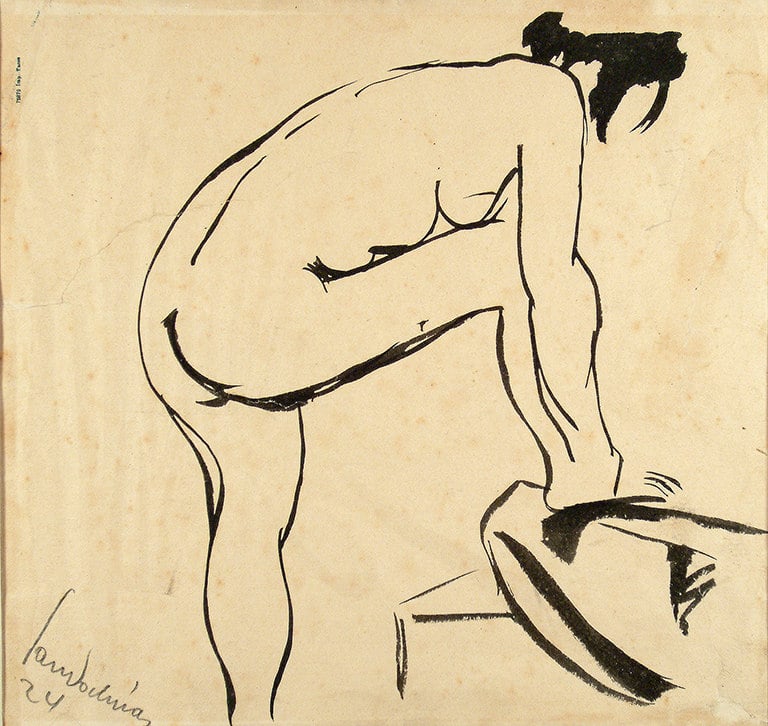
Joan Sandalinas
Female nude, 1924
Ink on paper, 60 x 40 cm
JUNYER AND SANDALINAS IN THE FUNDACIÓN MAPFRE COLLECTIONS
–
Fundación MAPFRE Guanarteme, Palmas de Gran Canaria
Everyday life, quality, mastery.
The cutting-edge drawings of the Catalan artists Joan Junyer and Joan Sandalinas, which belong to our collections, have landed in Fundación MAPFRE Guanarteme in the Canary Islands.
Sandalinas and Junyer share more than just a name, an era and a birthplace. They both belong to a group of artists who, despite their high-quality, skilled work, and for varying reasons, are continually passed over and then revisited by the critics. Both artists are fundamental to our understanding of the move towards modernity of the Spanish artists during the 1920s and 1930s.
This exhibition presents us with daily scenes, ordinary people, fishermen from Barceloneta, Telefónica workers and peasant farmers from Mallorca, along with other topics favored by these two painters. With many locations in common, Junyer and Sandalinas also display major differences. Sandalinas surprises us with a very personal assimilation of the most revolutionary European trends, while Junyer focused on ballet stages, a subject which interested him towards the end of the 1930s.
The exhibition which has now docked in the Canary Islands rediscovers the drawings of both artists who form part of our collection of works on paper.
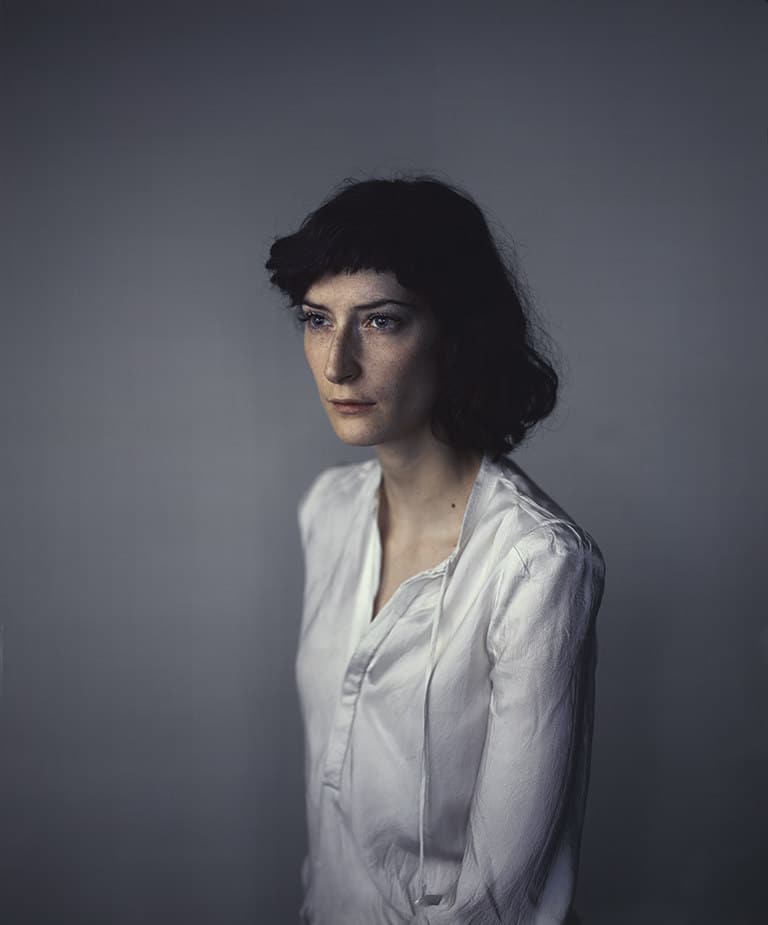
Richard Learoyd
Jasmijn towards the light
Pier 24 Photography, San Francisco
© Richard Learoyd. Courtesy Fraenkel Gallery, San Francisco
RICHARD LEAROYD
– JAN.
Fotomuseum Den Haag, The Hague
Feelings. Timelessness. Technique.
Richard Learoyd‘s images are captivating. His figures and still-lifes move in a space suspended in time.
This English artist takes his photographs with a camera obscura: a huge studio camera he designed himself, based on antiquarian optical principles. This instrument enables his works to resemble old paintings, both in terms of the themes and the technique. His large-scale color portraits of which there is only one copy, do not look like photographs. His sitters seem to urge us to get to know them. Their pose and the way they look at the camera create an atmosphere around them that peaks our curiosity and invites us to try to understand them.
The exhibition covers the last ten years of his work across 51 works from important public and private collections and the photographer’s own studio.
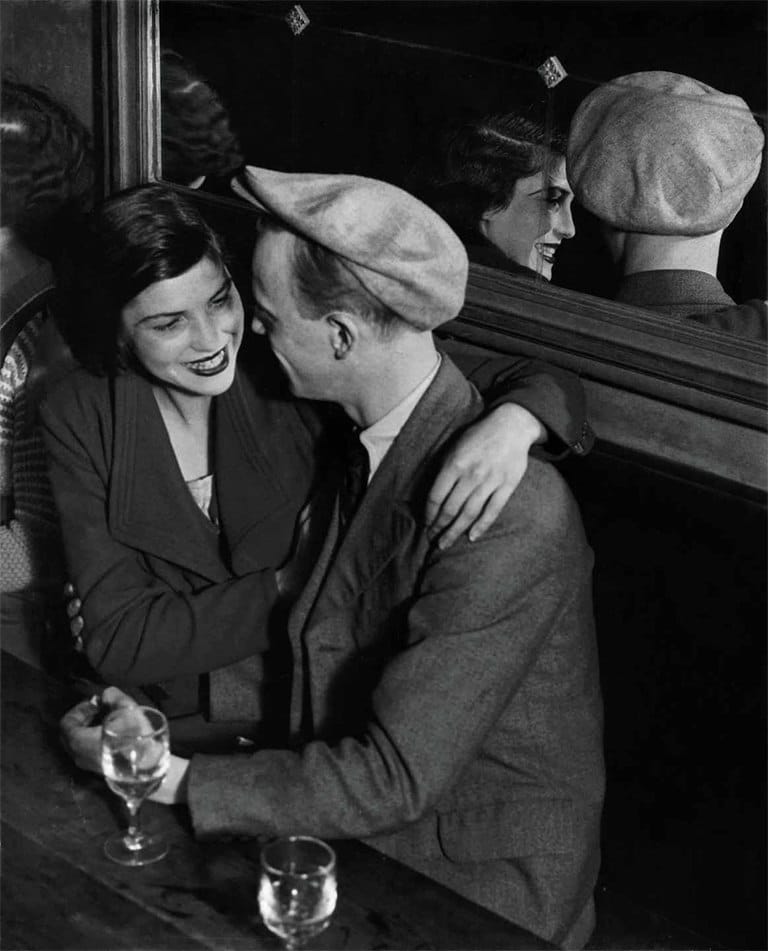
Brassaï
Bal des Quatre Saisons, rue de Lappe. c. 1932
© Estate Brassaï Succession, Paris
BRASSAÏ
–
Paris. Inspiration. Daily existence.
Brassaï captured the less cosmopolitan and more lively side of Paris with his camera, managing to take such powerful and evocative photographs that they became true cultural icons, symbols of an era and witnesses to his irresistible fascination for the city of lights. The city’s places of entertainment, from bars to fairs and their personalities, mobsters, outcasts, prostitutes and drug addicts were what motivated Brassaï to penetrate this underground Parisian world.
Although this Hungarian photographer (born with the name Gyula Halász) photographed Paris at night in a way that has never been replicated to this day, he also focused on daily life in the city during daylight hours. The monuments and the details of daily life feature heavily in the scenes captured in his images.
The exhibition also introduces us to other artistic sides to Brassaï. Sketches of female nudes and his interest in the world of graffiti round off this retrospective covering his entire career.
Immerse yourselves in Brassaï’s secret Paris.
Berenice Abbott
Janet Flanner in Paris, 1927
© Getty Images / Berenice Abbott
BERENICE ABBOTT
–
Full of life. Bold. Offbeat.
After a stay at our Barcelona and Madrid exhibition halls, the Berenice Abbott. Portraits of Modernity exhibition is traveling to Amsterdam to offer an exhaustive journey through the world of this exceptional American photographer.
Berenice Abbott provides us with her personal vision of an era. The photographer gives us an insight into the 20th century with her offbeat look at Paris and New York and demonstrates her superb aesthetic talent through her portrayal of artists and intellectuals of the mid-20th century.
In an exceptional portrayal of the modernity of the new century, her photographs reflect her vast technical intelligence and the bold vision that characterized both her work and her life.