
Travelling exhibitions
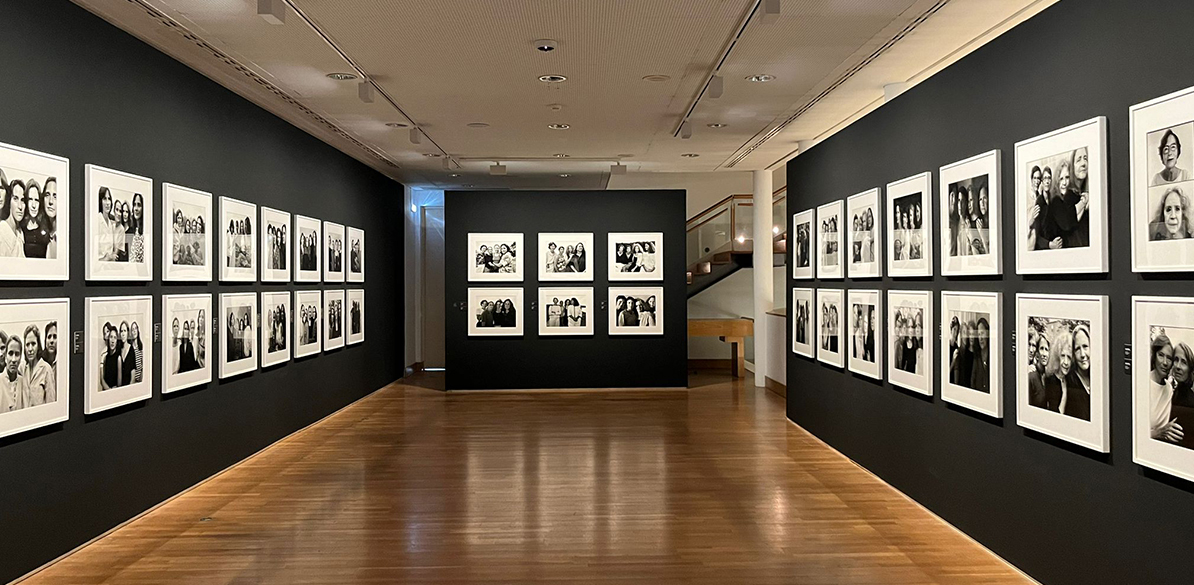
Our exhibition rooms in Madrid and Barcelona are not the only places you can enjoy our photography, drawing, painting and sculpture exhibitions. Once they have been presented in Spain, our idea is that they should be shared far and wide. We want to reach the rest of the world!
Thus the retrospective on Walker Evans headed to Sao Paulo, Stephen Shore to Berlin, Vanessa Winship to Las Palmas de Gran Canaria, the selection of drawings in our collection Hand with Pencil to El Salvador and From Divisionism to Futurism to the Museum of Modern and Contemporary Art of Trento e Rovereto, in Italy.
Part of our program travels to museums and cultural institutions in Europe, North America and Latin America. We want to take art to every corner of the globe. And we hope it reaches you too.
87 exhibitions
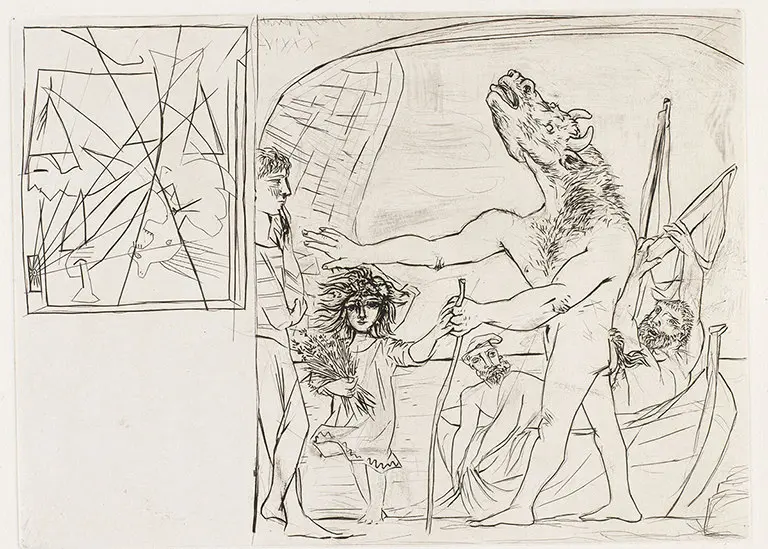
Pablo Picasso
Blind minotaur led by a little girl, I,, I, 22.09.1934
© Pablo Picasso: Estate of Pablo Picasso / VEGAP, Madrid
PICASSO. VOLLARD SUITE
–
Etcher. Sensual. Enigmatic.
Picasso was one of the greatest etchers of the 20th century and in history, together with Rembrandt and Goya. The Vollard Suite, one of the most important artistic testimonies of the last century, is a clear example of this.
This series of etchings serves as a summary of Picasso’s oeuvre, in which we can observe all the themes and methods that characterized this great painter from Malaga. Classicism, cubism, some surrealism, expressionism and realism are just some of the styles we will come across in this body of work comprising 100 of the artist’s etchings carried out between 1930 and 1937.
In 2008, Fundación MAPFRE acquired a full series for its collection, which is on display for the first time in Oporto, Portugal, today. In this exhibition we can revel in the personal and creative world of an artist who swung between order and violence, classicism and disfigurement.
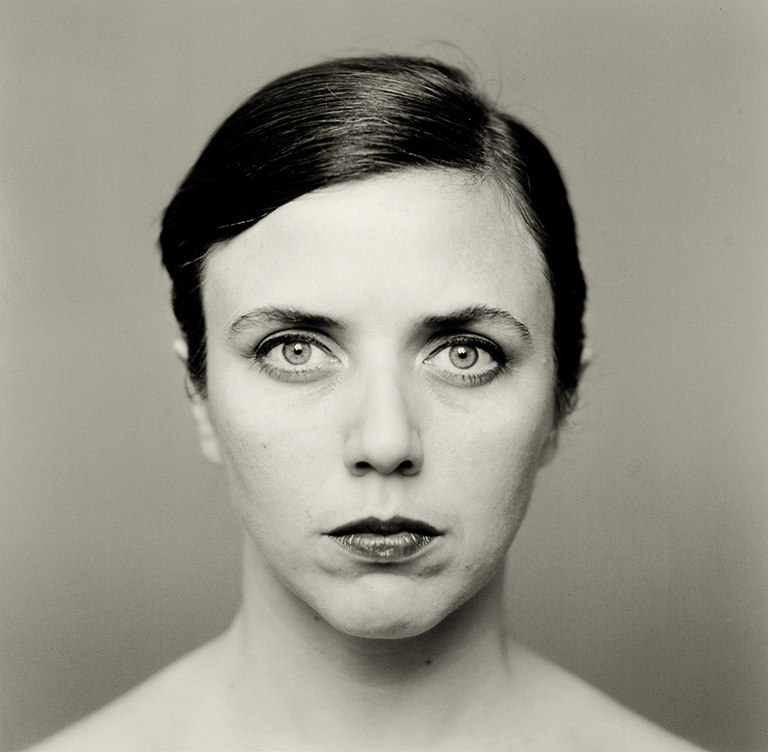
Humberto Rivas
María, 1978
Humberto Rivas Archive
© Asociación Archivo Humberto Rivas
HUMBERTO RIVAS
–
Universidad de Valencia. Centre Cultural La Nau
Image maker. Innovative. Unclassifiable.
Humberto Rivas is a central artist in the development of photography in Spain from the first half of the seventies onwards. Once he had landed in Barcelona from Buenos Aires, his work had a huge impact on the city’s artistic scene where he became an important player in it and was considered as one of the main drivers of the recognition of photography as a medium for artistic creation in Spain.
In Rivas’ portraits, the precise subject matter of the image is always the most significant aspect of it. The people he photographs, in the same way as the cityscapes, as he liked to say, “choose it in order to be recorded by his camera”. In his photography there are landscapes without people and people without landscapes; either one or the other, but never both together in the same image.
This exhibition covers the work of this impossible-to-classify photographer’s work throughout his career, which encompasses all of the 1970s and up until 2005.
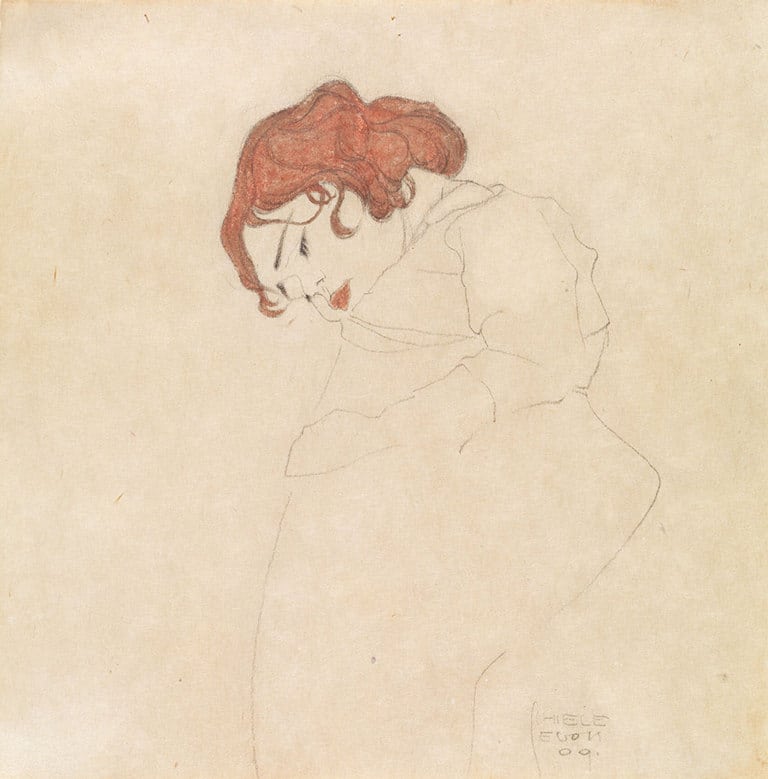
Egon Schiele
Schlafendes Mädchen [Young girl sleeping], 1909
Fundación MAPFRE Collections
FROM MODERNISM TO THE AVANT-GARDE. DRAWINGS FROM THE FUNDACIÓN MAPFRE COLLECTION.
–
Genius. Tradition. Modernity.
Following on from their time at the Fundación Picasso in Malaga, the Museo de Bellas Artes in Havana, the Instituto Cervantes in New York, the Museo Nacional de Arte in Mexico and the Baas Museum of Art in Miami, among others, our collection of drawings has now come to Sitges, in order to showcase part of Fundación MAPFRE’s collection of drawings.
This exhibition offers a careful selection of 47 sketches from leading artists of the 19th and 20th century which belong to the Fundación MAPFRE collection. Mariá Fortuny, Auguste Rodin, Edgar Degas, Joaquín Sorolla, Pablo Picasso, Henri Matisse, Francis Picabia, Paul Klee, Joaquín Torres García, Juan Gris, Joaquim Sunyer, Salvador Dalí and Joan Miró are just some of the artists featuring in this exhibition.
Don’t miss out on the work of some of the most important artists and illustrators of the 20th century.
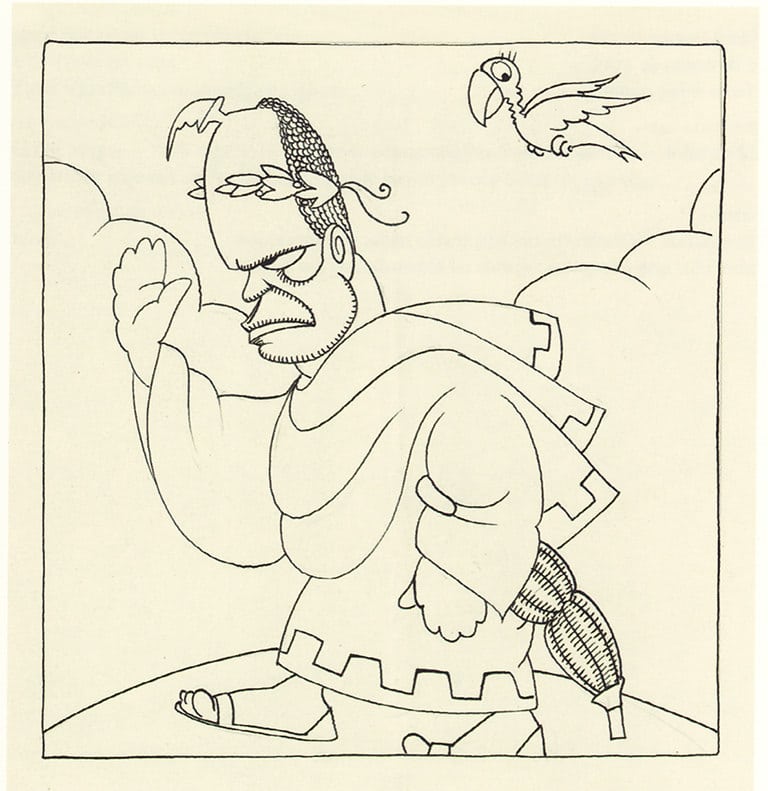
Luis Bagaría
The dictator gets angry, 8 january 1925
Fundación MAPFRE collections
© Fernando Maquieira
BAGARÍA IN THE SUN. POLITICS AND HUMOR DURING THE RESTORATION CRISIS FUNDACIÓN MAPFRE COLLECTIONS
–
Fundación MAPFRE Guanarteme, Santa Cruz de Tenerife
Originality. Wit. Ingenuity.
Luis Bagaría began his artistic career as a painter but soon moved on to caricatures, quickly becoming of the most important figures in this artistic discipline in the first half of the 20th century.
Trained within the context of Catalan modernism, in 1912 he moved to Madrid where he began to collaborate with the publications La Tribuna, the weekly journal España and the daily paper El Sol, gaining significant notoriety as an artist. Acutely aware of the influence of the press as a form of mass communication, Bagaría brought his brand of humor to the political arena. With his particular drawing style and great ability to summarize events, through his caricatures Bagaría encourages us to reflect on a fairer world.
Having previously been on display in the city of Las Palmas, this exhibition which brings together a selection of approximately one hundred drawings, belonging to the Fundación MAPFRE Collections, arrives at MAPFRE Guanarteme’s heaquarters in Santa Cruz, where it can be enjoyed until June 7.
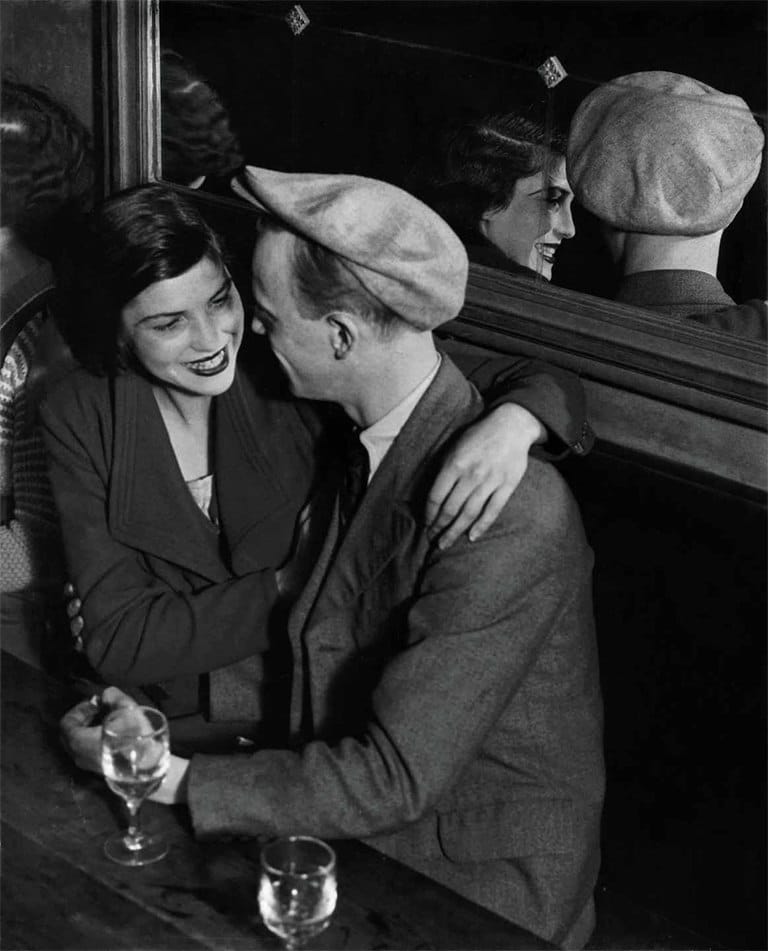
Brassaï
Bal des Quatre Saisons, rue de Lappe. c. 1932
© Estate Brassaï Succession, Paris
BRASSAÏ
–
Scenes from daily life. Lights. Shadows.
Ever since Gyula Halász (Brassaï’s original name) arrived in Paris in 1924, he used the city as his main source of inspiration. The way in which he depicted its streets and its inhabitants made him famous and some of his photos became symbols of an era and of the city.
Brassaï captured the soul of Paris with his camera, its daily life and its radiance. Monuments, the quirkiest of spots and scenes of everyday life appear in his work as a reflection of the irresistible fascination the artist felt towards the French capital. But in his quest to portray the city, the photographer did not ignore the darker side of Paris. For Brassaï, the gang members, outcasts, prostitutes and drug addicts all represented the least cosmopolitan aspect of Paris, an aspect imbued with more life and authenticity.
This exhibition covers all of Brassaï’s artistic facets, from photographs and drawings of female nudes to the trips commissioned by Harper’s Bazaar and his interest in the world of graffiti.
Discover Paris through the viewpoint of Brassaï.
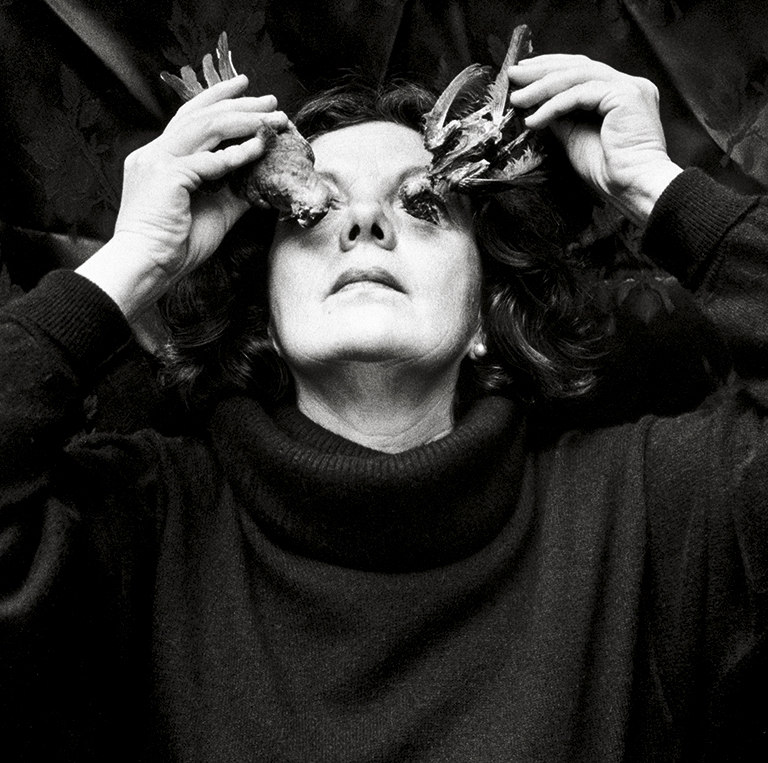
Graciela Iturbide
Eyes to fly with, Coyoacán, México City. 1991
Fundación MAPFRE Collections
© Graciela Iturbide
GRACIELA ITURBIDE
–
Symbols. Travel. Knowledge.
The work of Graciela Iturbide is a faithful reflection of the artist’s interest in symbols and rituals. “Although we reject our education, we carry it with us and it is part of us” according to the Mexican artist. Growing up in a middle-class Catholic environment in Mexico marked her artistic language, into which she incorporated nature and culture, the ancestral traditions and rituals found in everyday life and the symbology of objects.
Iturbide’s camera is a tool employed in the service of knowledge with which she explores and digs deeply into Mexican culture and other realities that she learns about through her travels. India, Panama, the United States, Japan, Korea, Italy; in every country the photographer crafts a piece of work in which speech and movement are captured in a static image of the world.
This exhibition shows the unclassifiable work of one of Mexico’s most renowned photographers on the current international scene. In a complex union between experiences and dreams, the work of Iturbide, surreal and poetic, captures the solitude, the essence and the soul of what it is to be a photographer.
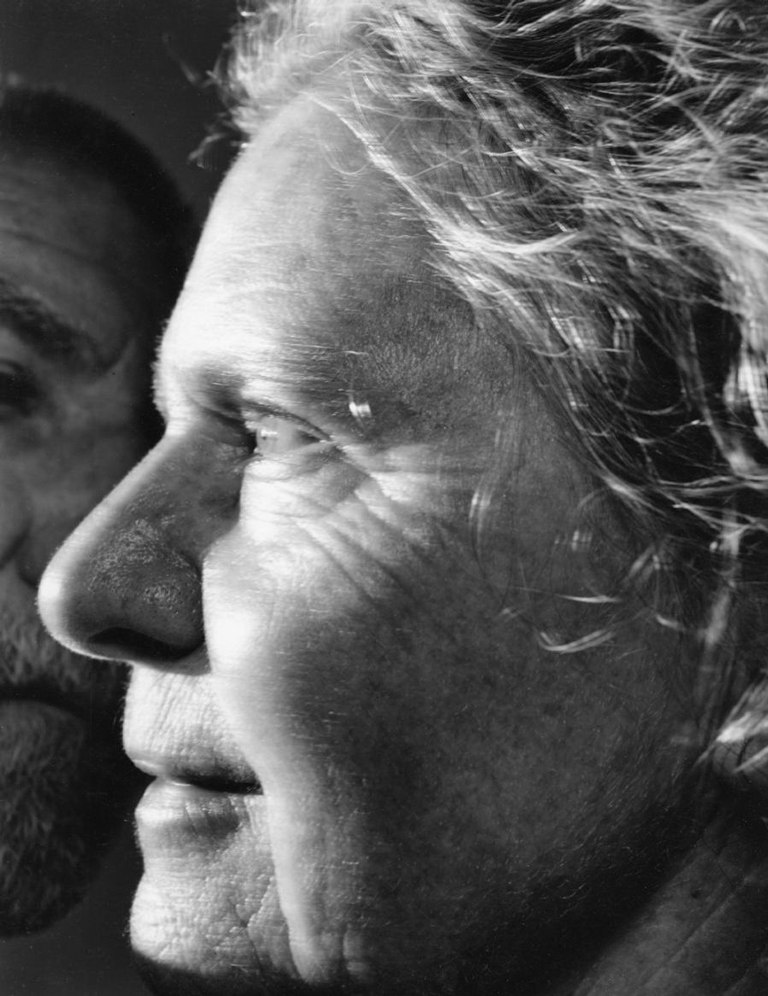
Bebe, Savignac de Miremont, 2011
Gelatin silver prints, contact
© Nicholas Nixon.
Fundación MAPFRE Collections.
NICHOLAS NIXON
–
Fondation A Stichting, Bruselas
Time. Intimacy. Freedom.
Stopping in front of one of Nixon’s photographs is to enter into his vision of the human soul. With a uniquely heightened sensitivity and ability to capture detail and feelings, his images, of an extraordinary sharpness and compositional clarity, connect with the life experience of the viewer.
Nixon works on series that touch on fundamental aspects of human life, and one of them is the passage of time. This is very noticeable in his series of the elderly, his family scenes and is particularly evident in the celebrated series of The Brown Sisters.
Nixon portrays spaces and objects with a career marked by and devoted to portraiture, revealing the reality of his chosen subjects up-close. The use of large format cameras requires the proximity and collaboration of his subjects to be able to show the themes that interest him: the sick and the old, couples and his own family.
Brassaï
Bal des Quatre Saisons, rue de Lappe. c. 1932
© Estate Brassaï Succession, Paris
BRASSAÏ
–
San Francisco Museum of Modert Art (SFMoMA)
The photographer of Paris. Day-to-day life. Darkness.
When thinking about Brassaï’s work, we immediately conjure up scenes of Paris at night. From 1924, the year in which the artist moved permanently to the city of light, he found in it the main topic for his work. How the city was laid out, its daily comings and goings, and, above all, its vibrant nightlife fascinated him so much that he invested all his creativity in capturing Parisian life in such powerful and evocative snapshots that they have become undeniable cultural icons.
In 1968, when he was a well-recognized photographer, the MOMA organized a retrospective on Brassaï. And now, 50 years later, the work of this key proponent of 20th century photography returns to us, from New York to demonstrate all his many artistic facets, from photography to female nude drawings, as well as the work arising from his trips for the magazine Harper´s Bazaar to Edinburgh, Italy, Turkey and Spain, and his interest in graffiti.
Graciela Iturbide
Eyes to fly with, Coyoacán, México City. 1991
Fundación MAPFRE Collections
© Graciela Iturbide
GRACIELA ITURBIDE
– JAN
Knowledge. Poetics. Surrealism.
For Graciela Iturbide the camera is just a pretext for getting to know the world. Her work is a process of continual dynamic exploration which, over four decades, has focused on dreams, rituals, religion and travel.
«Although we reject our education, we carry it with us and it is part of us» says Iturbide when she is asked about her interest in symbols and rituals. And this photographer, a practicing agnostic, was brought up in a middle class Catholic and Mexican context, where symbols and rituals formed part of the language.
Moving between a documentary and a poetic style, her unique way of seeing the world combines live and dreams. Nature and culture, ancestral traditions, rituals found in everyday life and the symbology of objects occupy a central space in her work.
With Iturbide every image brings us back to the essential: life, death and pleasure. The things that make humankind and the world what they are.